
Visual Music
A retrospective of PALENAI’s pioneering exploration of music and the visual arts in live performance—bringing together archival recordings, photographs, programmes, and artwork from across the duo’s career.
Rhythm ’n Views

The eye sees what the ear hears
Prologue from Sonate pour deux pianos by Francis Poulenc
2D animation using Adobe Photoshop and Premiere, 1996
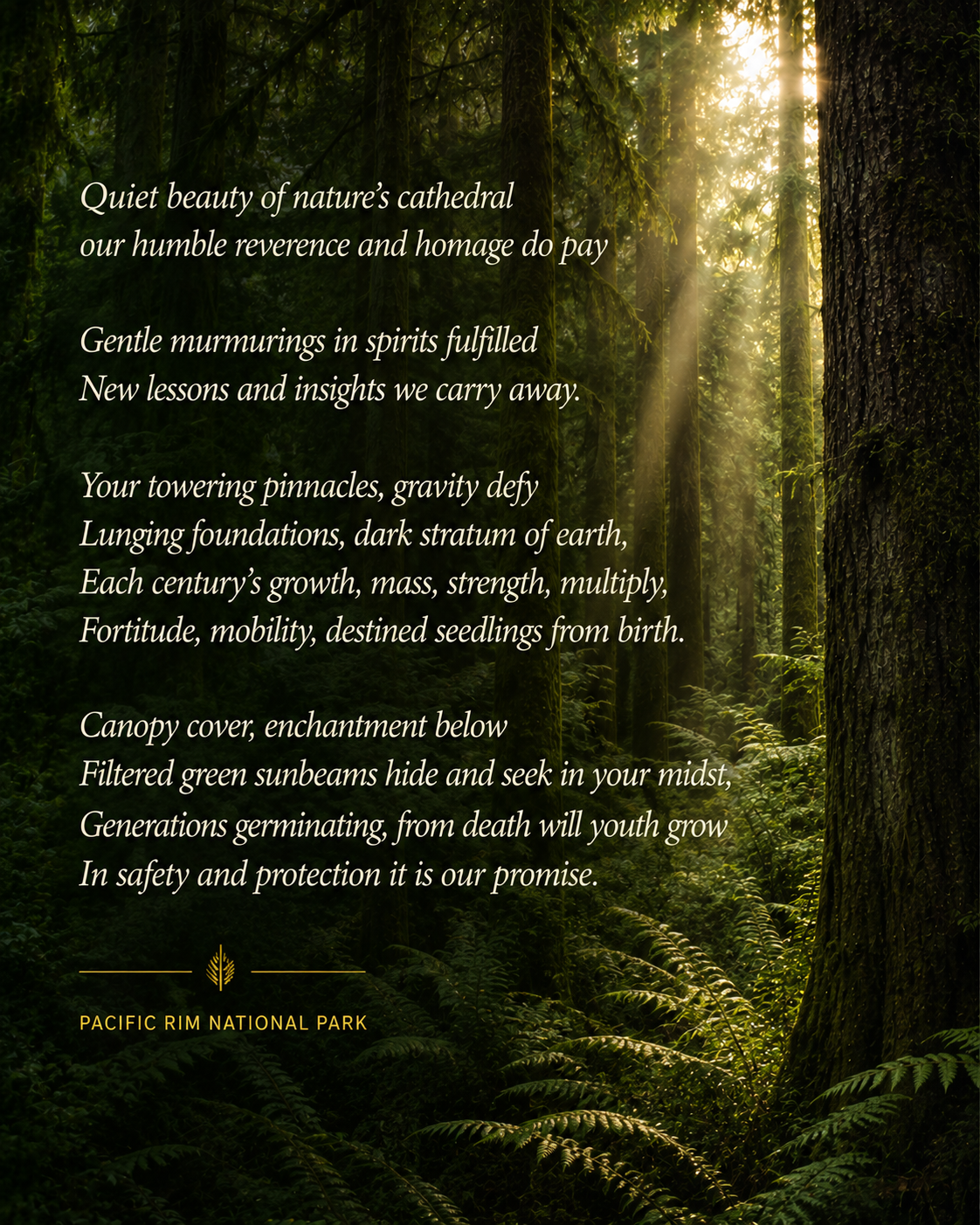
Poem by A. Shannon | Photograph by J. Innis
Prelude: Pacific Rim
Commissioned by Parks Canada for the Centennial of National Parks in Canada, Prelude: Pacific Rim became a feature program during the celebrations and has remained part of PALENAI’s touring repertoire for four decades. Joy’s photographs of the Park’s four regions were combined with music by Michael Baker, Gary Kulesha, Bach, and Brahms allowing them to share their love of Canada’s west coast with international audiences.
“To attend a concert of this kind is to take a moment to cherish the world around us. Through these artists’ creative fusion of sight and sound, one cannot help but feel motivated to do something to help save our planet.”
— Nanaimo Daily Times
Prairie Passage
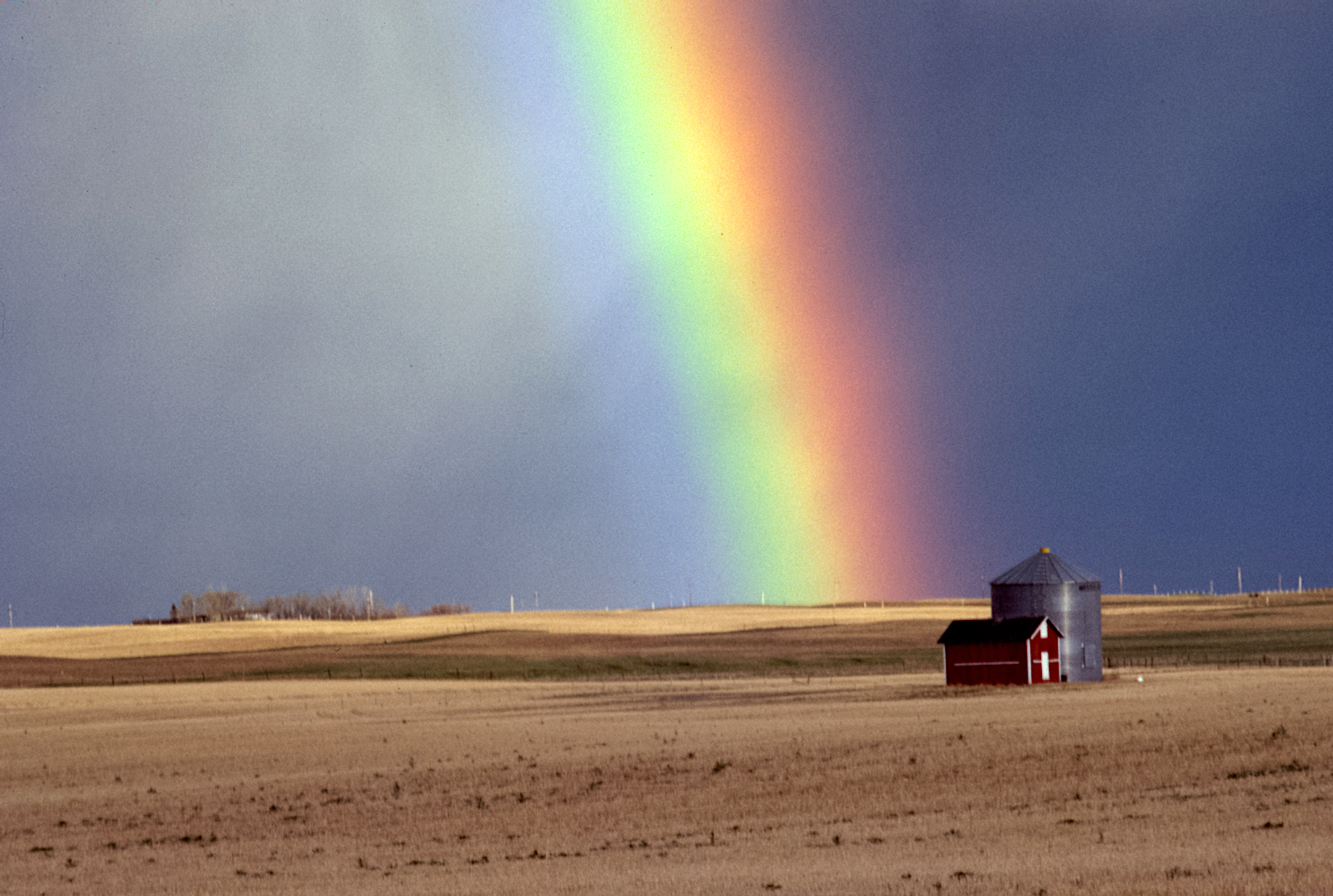
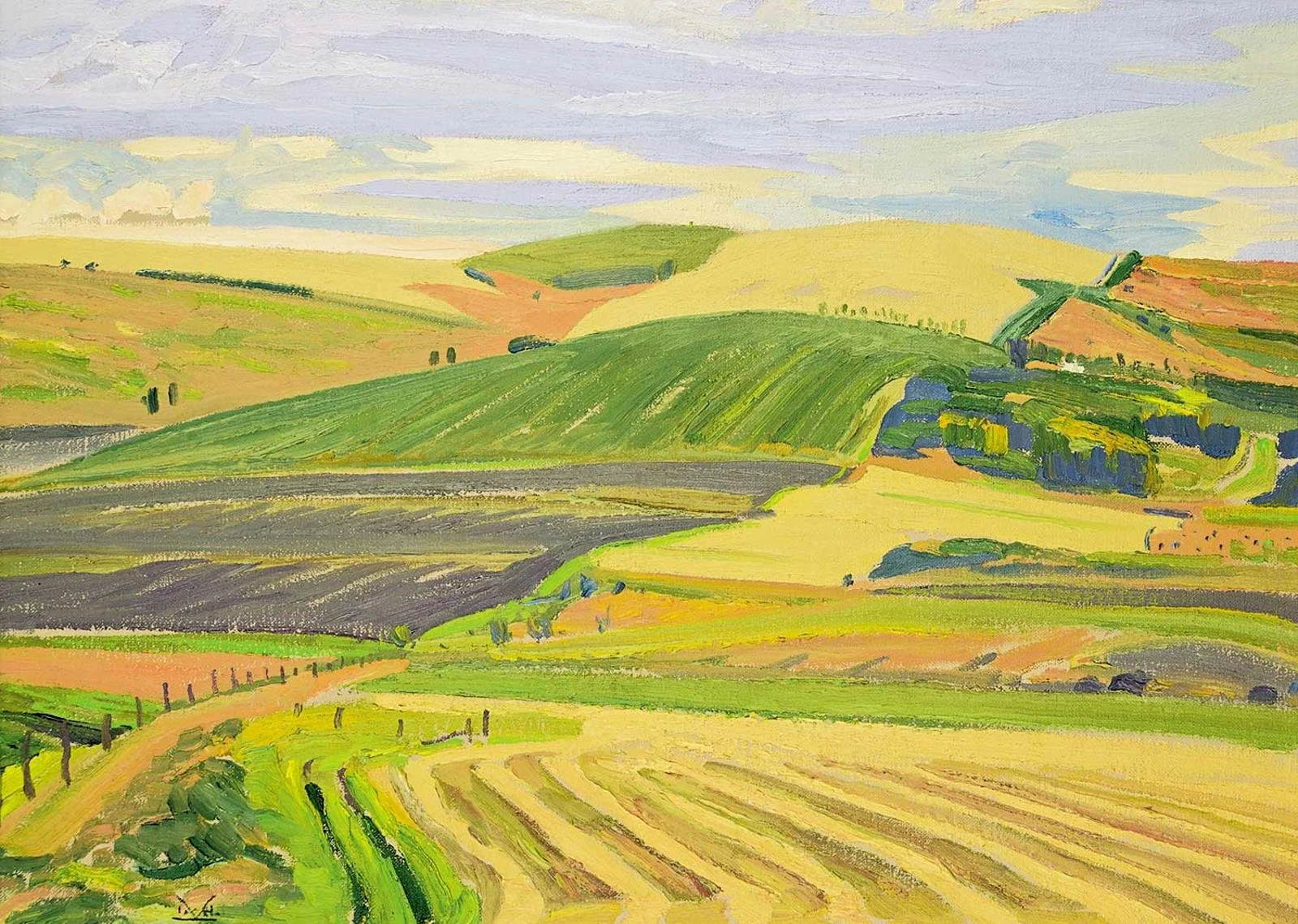
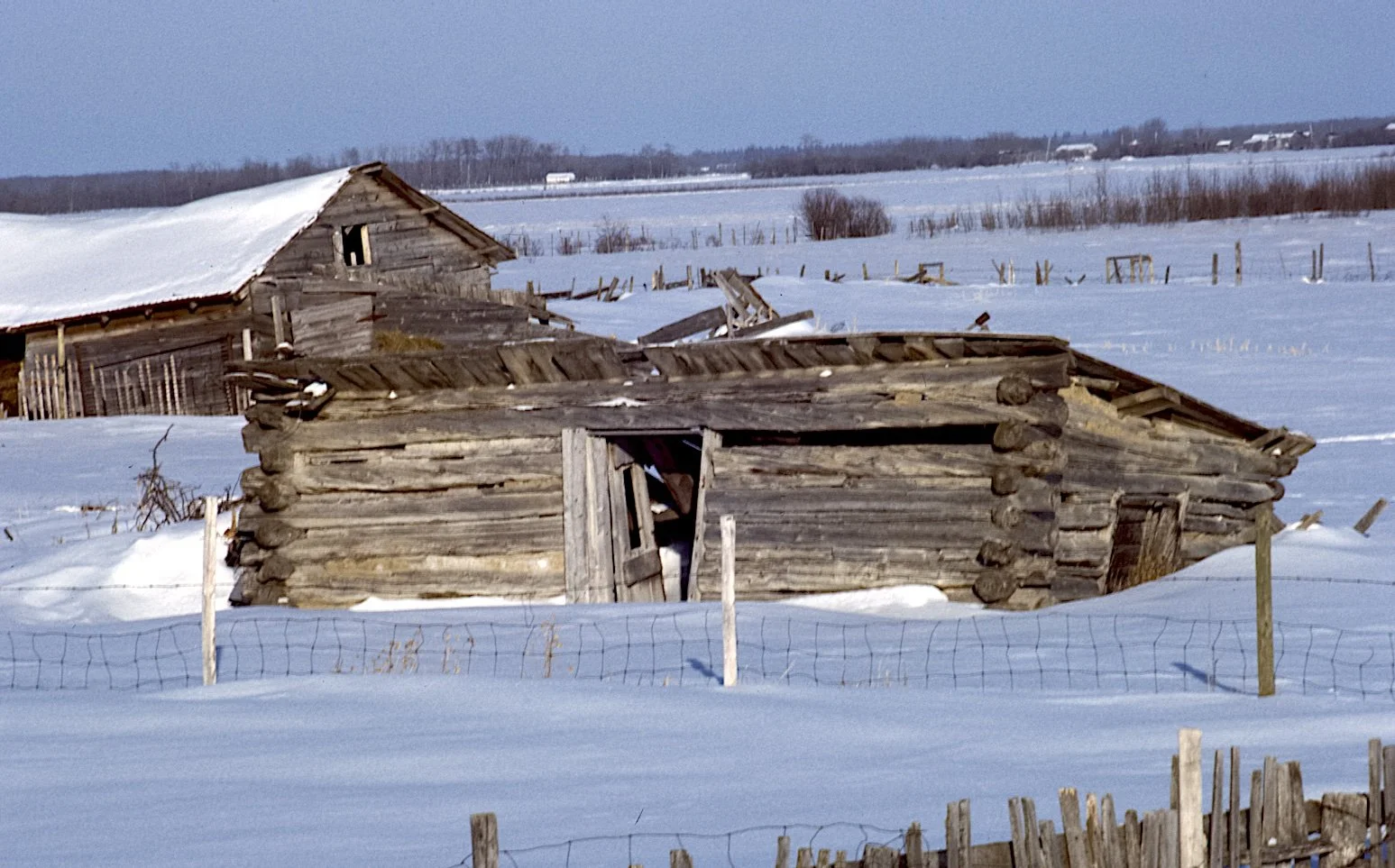
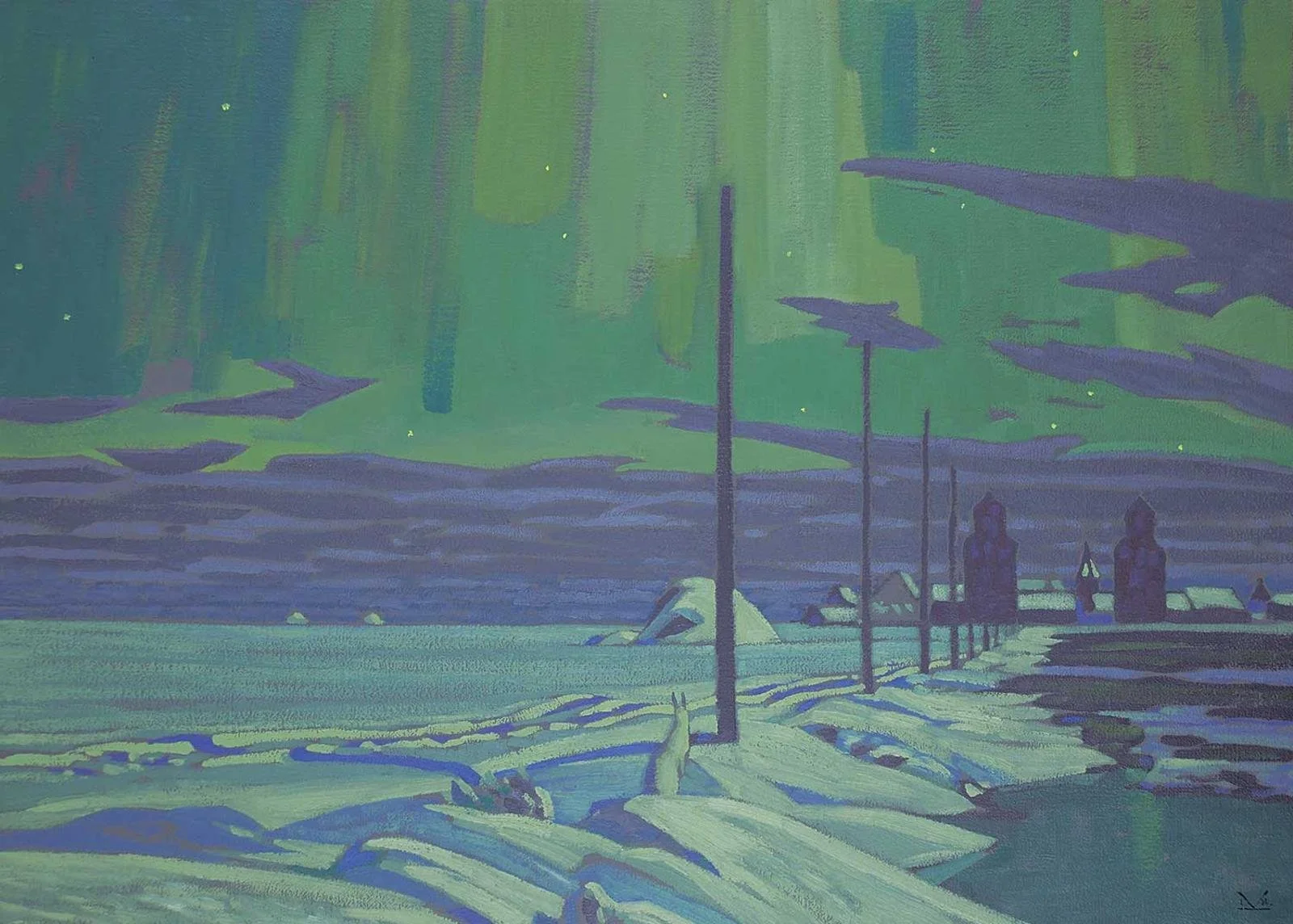
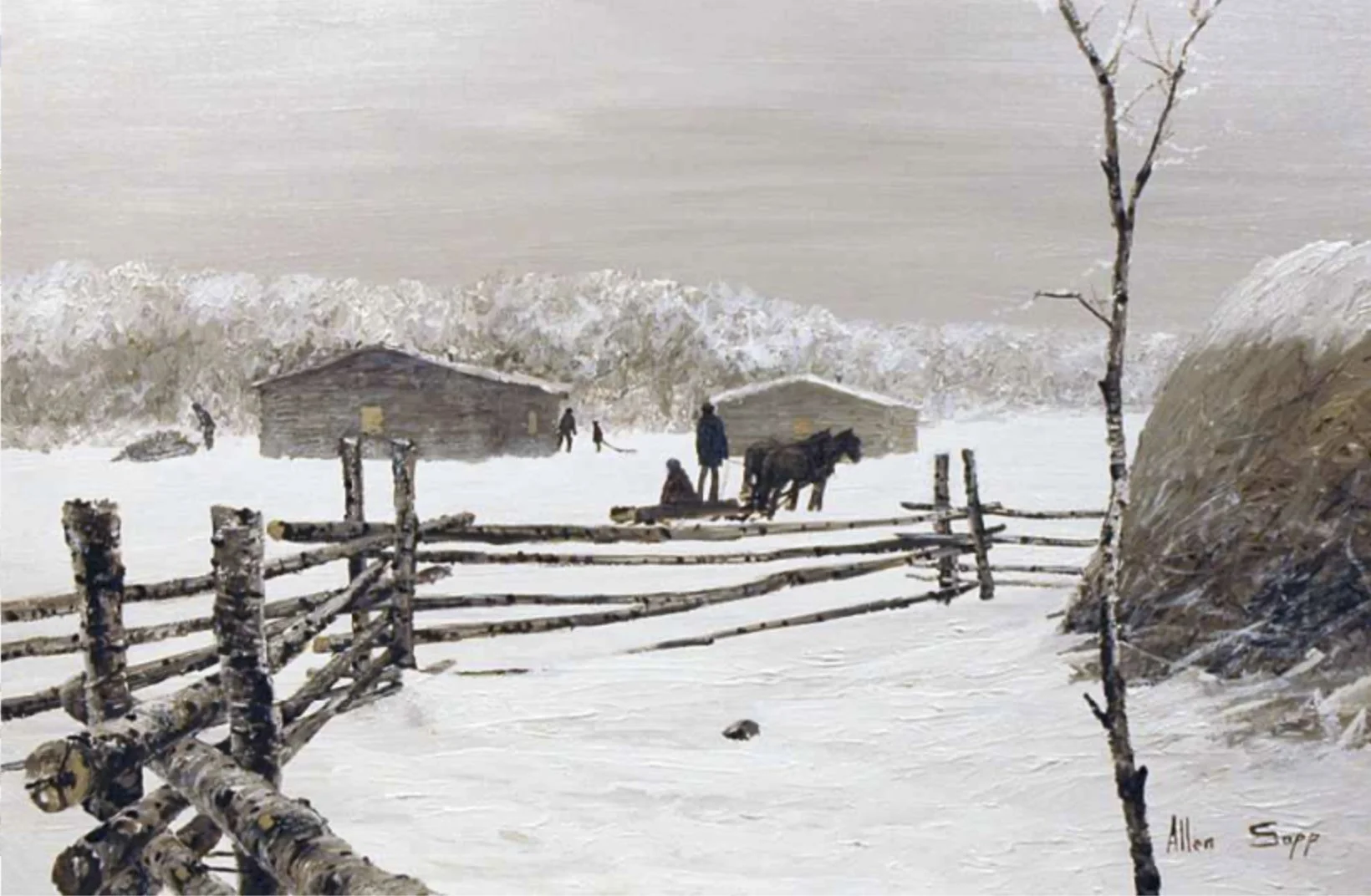
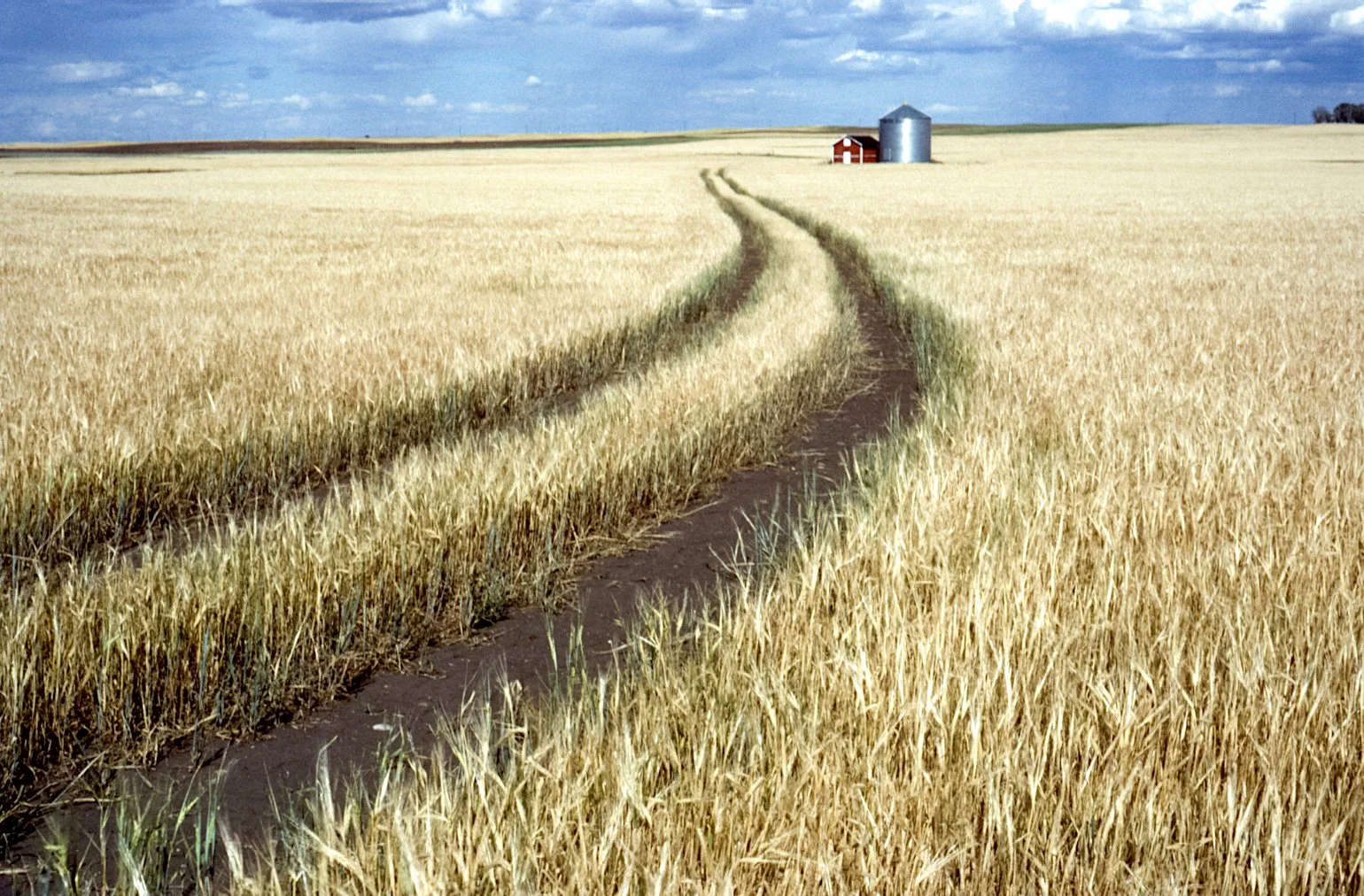
Prairie Passage captures the beauty of the Canadian Prairies in its changing seasons, vast horizons, and distinctive culture.
Photography by J. Innis | Artwork by Allen Sapp, Illingworth Kerr
En blanc et noir
Claude Debussy
The Ideas Behind the Visualisation
Our work to ‘visualise’ this masterpiece brought us closer to Debussy during the final years of his life. It was 1915 and Debussy was 52. In poor health and deeply distressed by the war and the threat to France, he and his wife retreated to a cottage in the town of Pourville on the Normandy coast.
We were deeply touched by the inscription from Gounod's opera Roméo et Juliette, 'Qui reste a sa place et ne danse pas, De quelque disgrace, fait /'aveu tout bas', ['He who stays in his place and does not dance, quietly admits to a disgrace'], which seems to reflect Debussy's guilty conscience for being unable to fight in the war.
For the first movement, we searched through paintings of the Normandy coastline by the French Impressionists. Their brilliant colours, light and textures seemed to mirror the extraordinary freedom and sweep of the music. The second movement, dedicated to the memory of the fallen soldier Jacques Charlot, led us into a darker visual world of war. In this short excerpt, images inspired by these contrasting worlds are blended together.
Over the course of their career, PALENAI developed a substantial body of multimedia programs combining live two-piano and four-hands-one-piano performance with projected photography, art and, later, digital animation.
The Collection

Sounds of a Landscape · 1982 — Claude Debussy. Canadian landscape paintings paired with Debussy’s music in an early PALENAI exploration of projected imagery in live performance. Lawren Harris, Lake Superior, c. 1923–24.
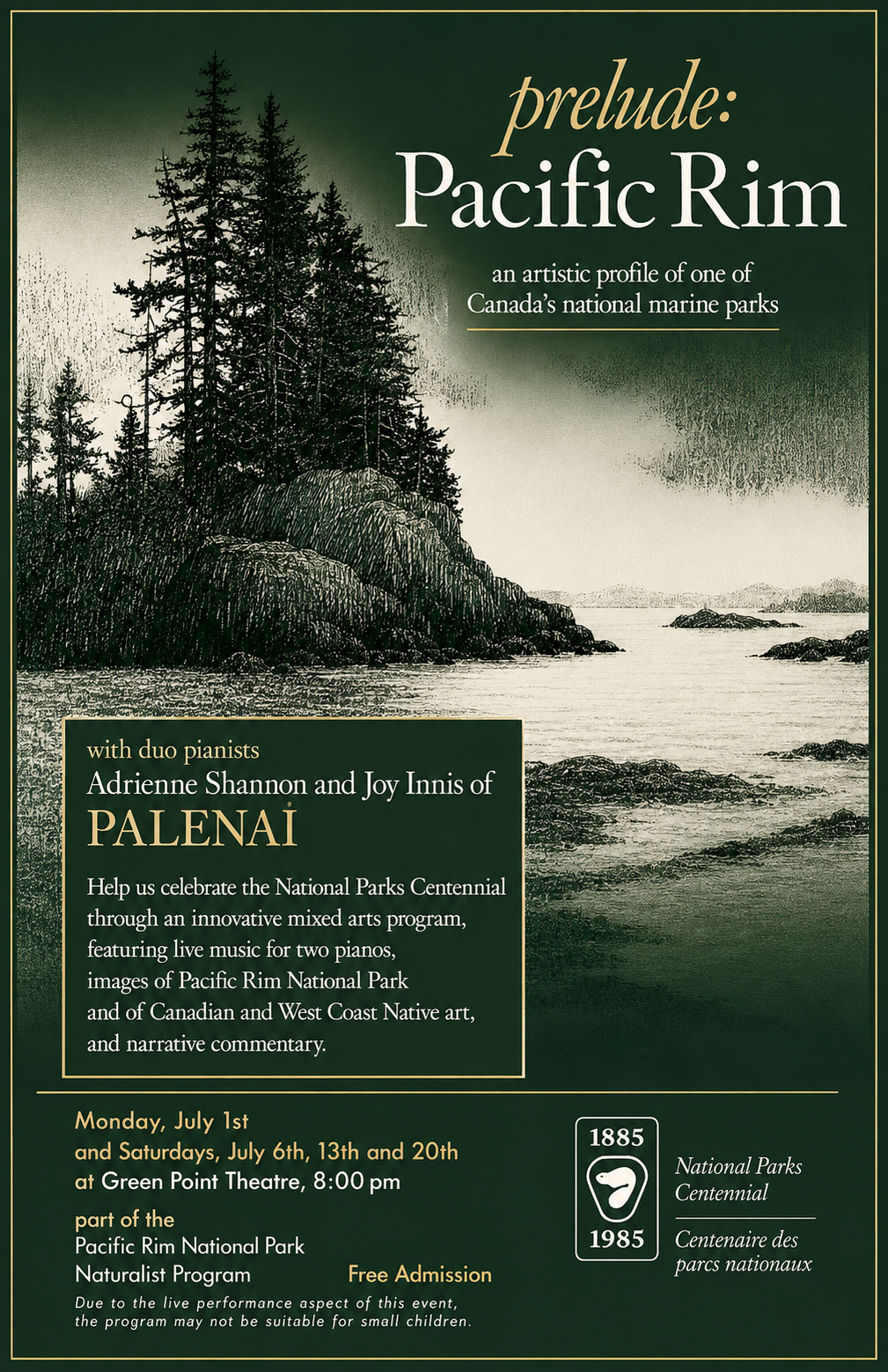
Prelude: Pacific Rim · 1985 Commissioned by Parks Canada for the National Parks Centennial.
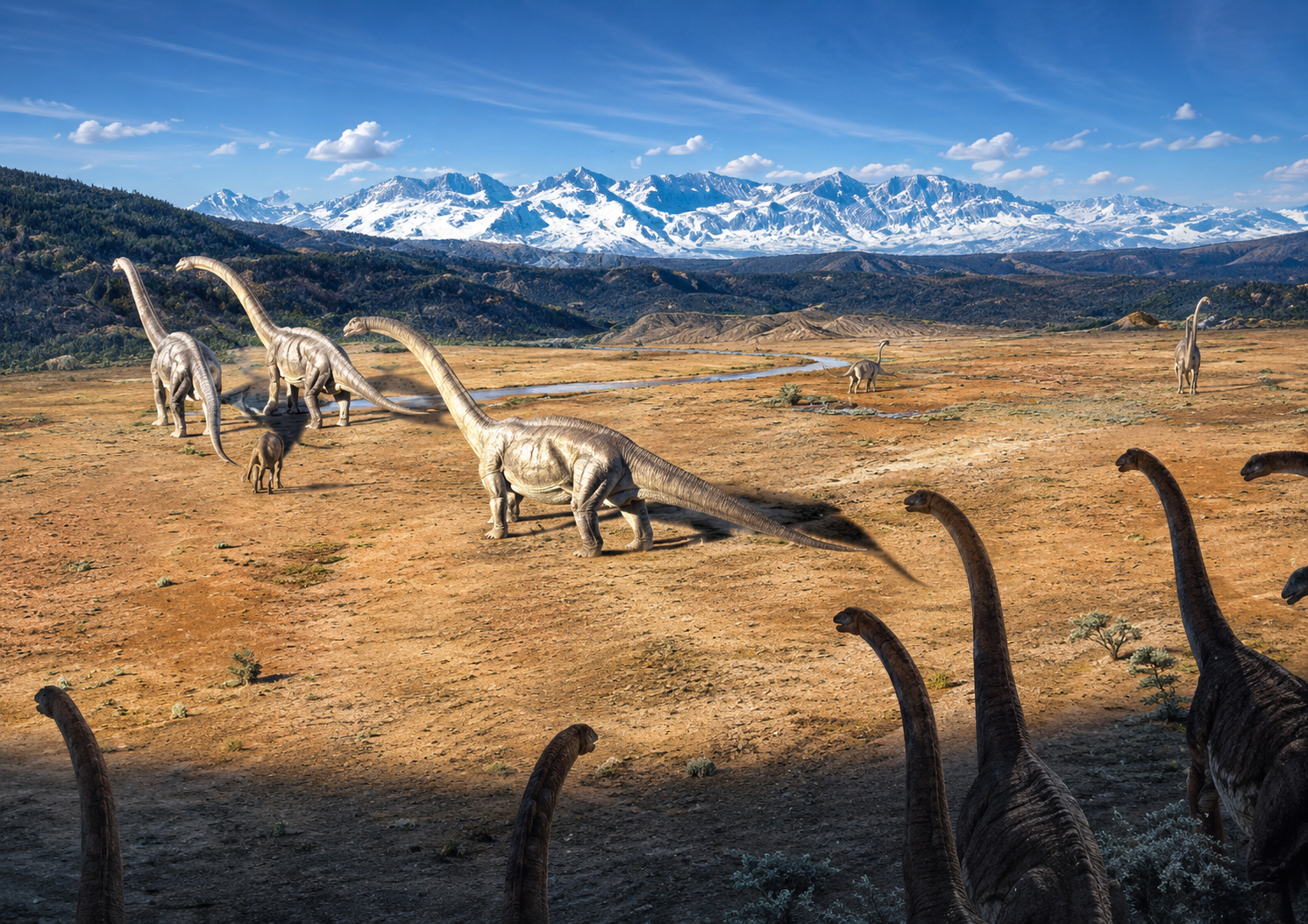
Reign of Giants · 1987 — Gary Kulesha Visual imagery from photography at the Royal Tyrrell Museum and Dinosaur Provincial Park, Alberta.
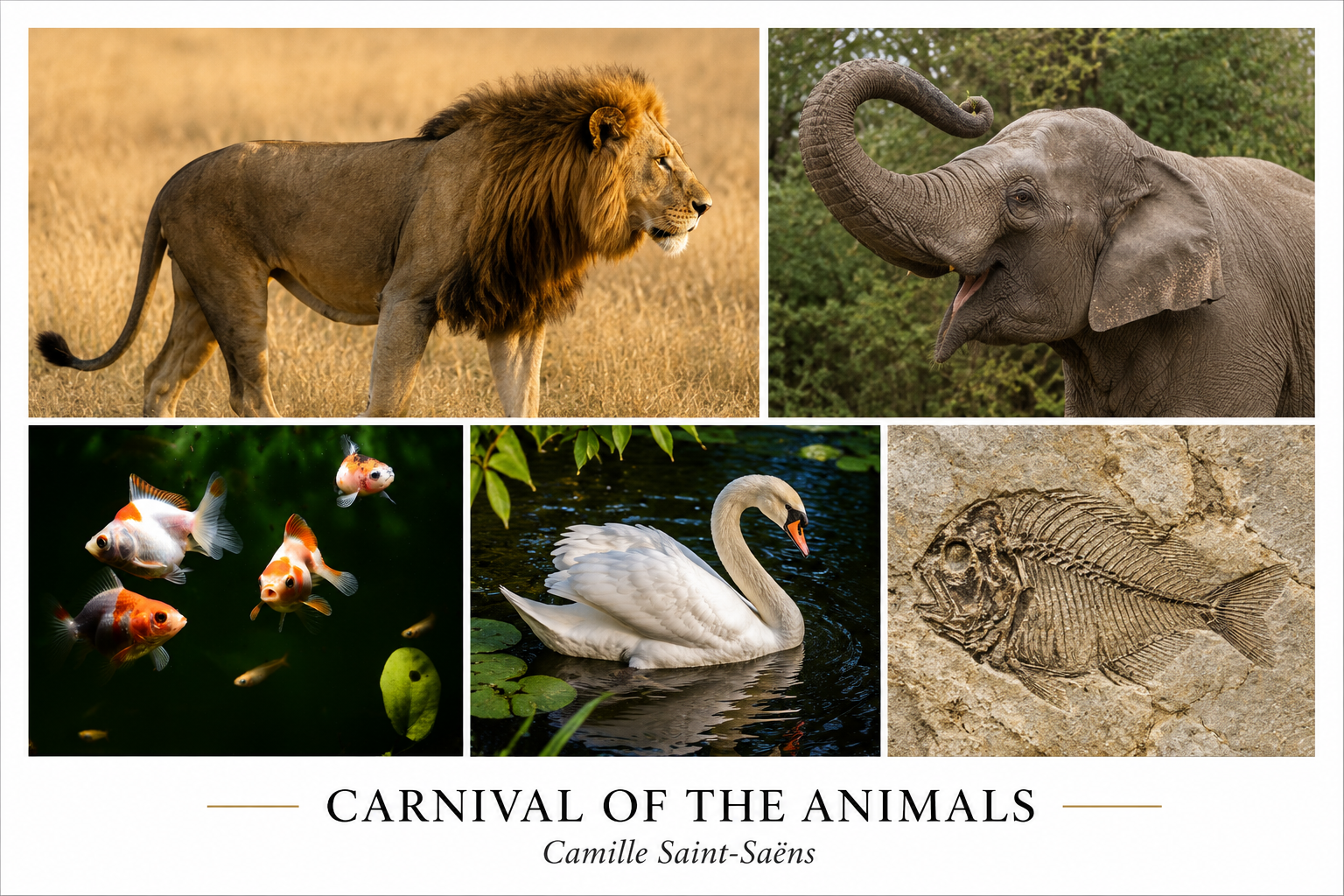
Carnival of the Animals · 2005 — Camille Saint-Saëns. Multimedia interpretation of five movements: Lion, Elephant, Aquarium, Fossils and The Swan.

Carnival of the Animals · 2005 — Kingston Symphony — Poems by Bill Richardson, narrated by Peter Aston, with PALENAI’s multimedia visuals.
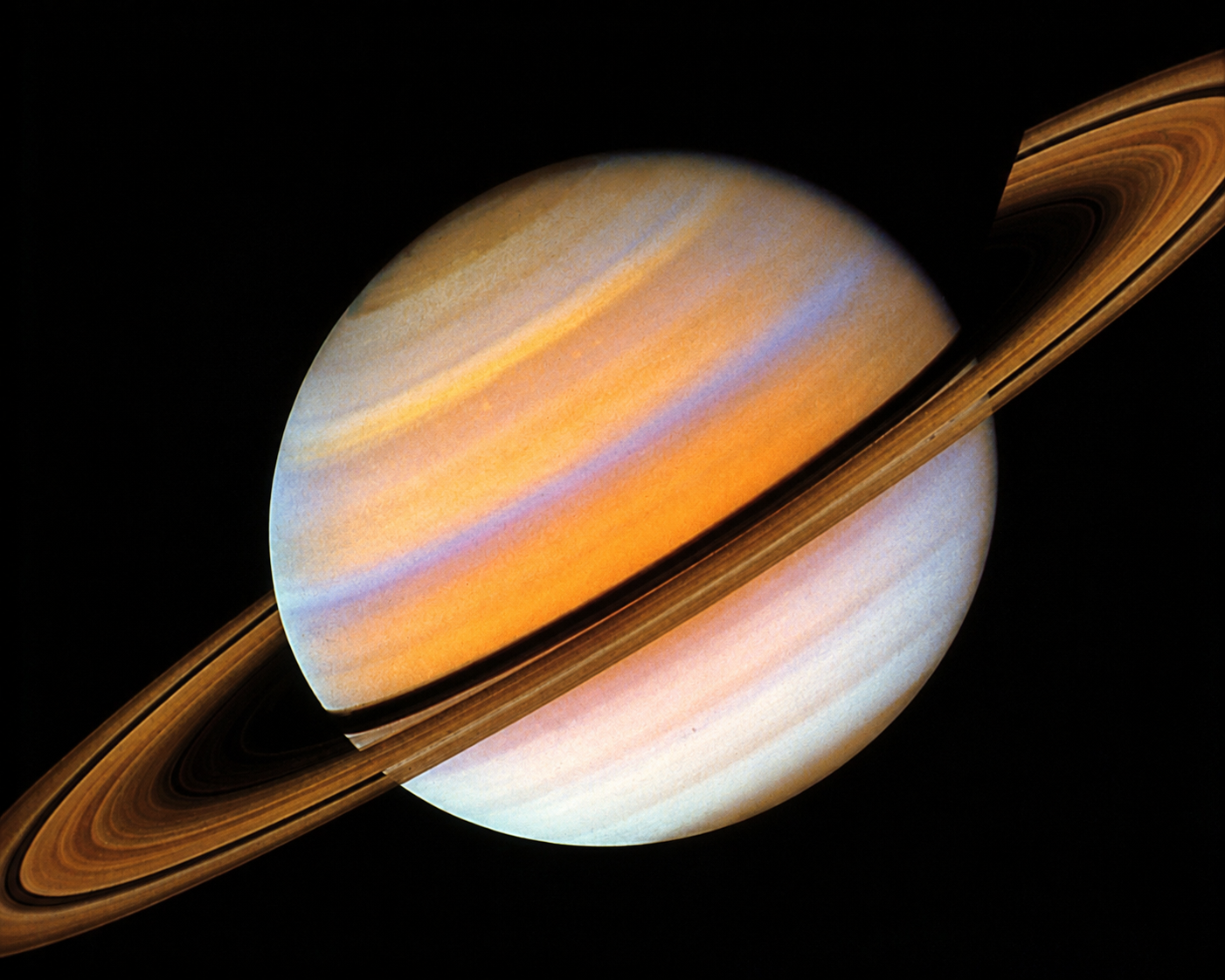
Space Odyssey · 1990 — Holst’s The Planets, with multi-projector visuals created from NASA space photography.
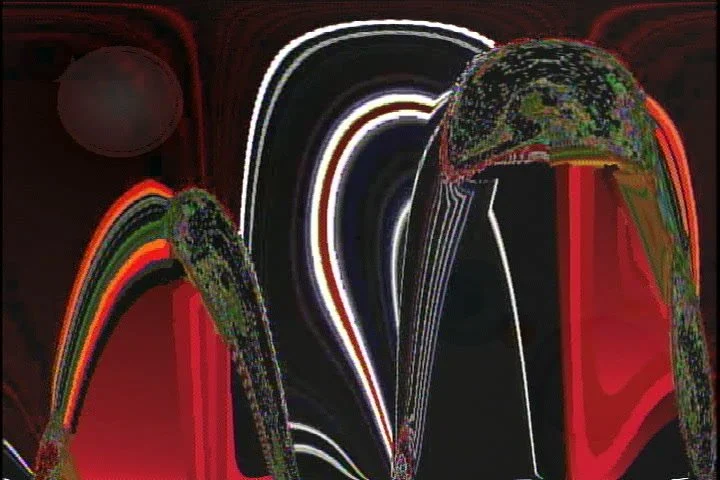
Prologue · 1996 — Francis Poulenc — Computer-generated imagery created with Adobe Photoshop and Premiere in response to the music.
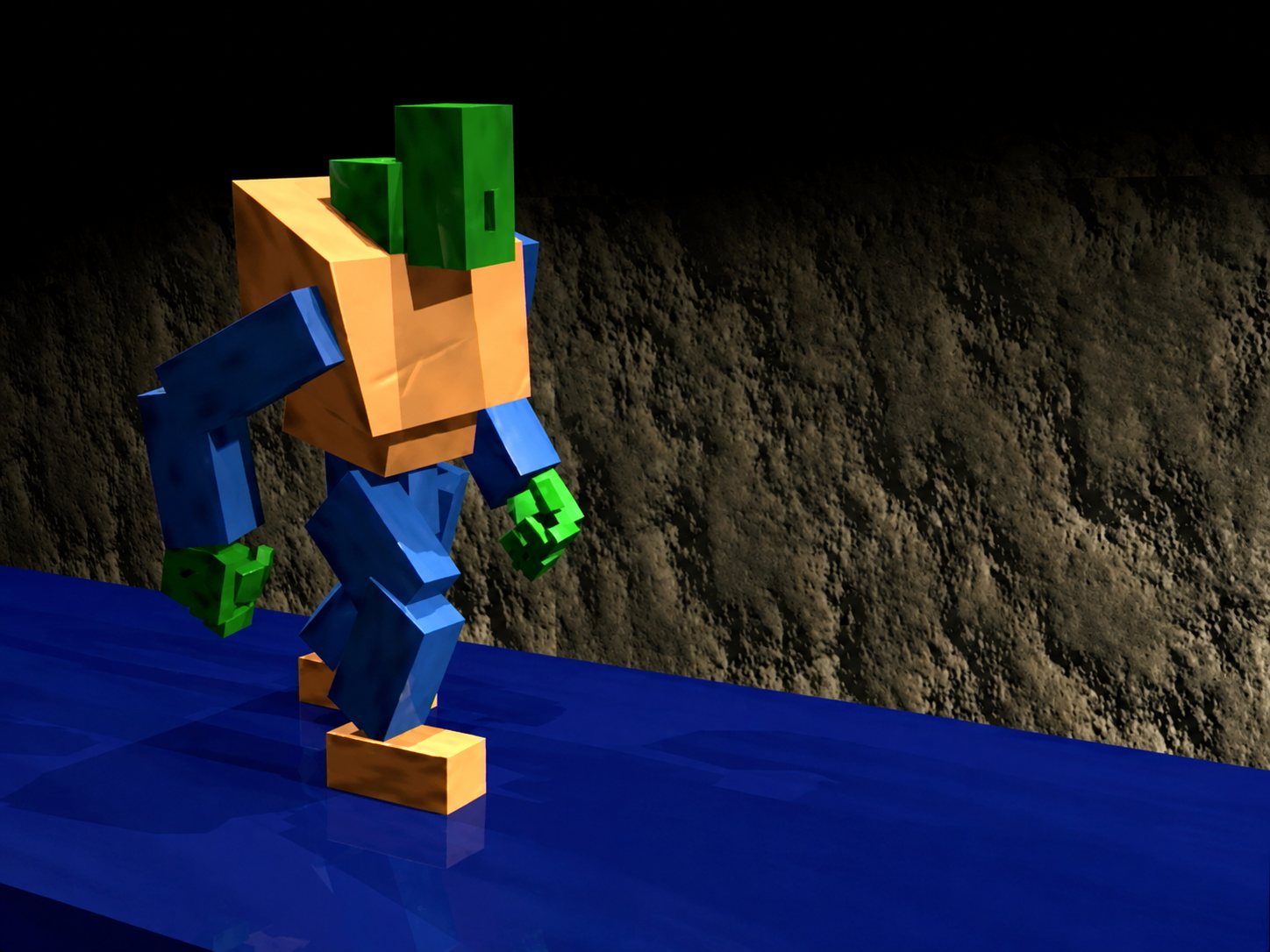
Allegro Molto · 2001 — Francis Poulenc — 3D animation created with LightWave 3D and Maya, in collaboration with the Multimedia Department at Alberta College.
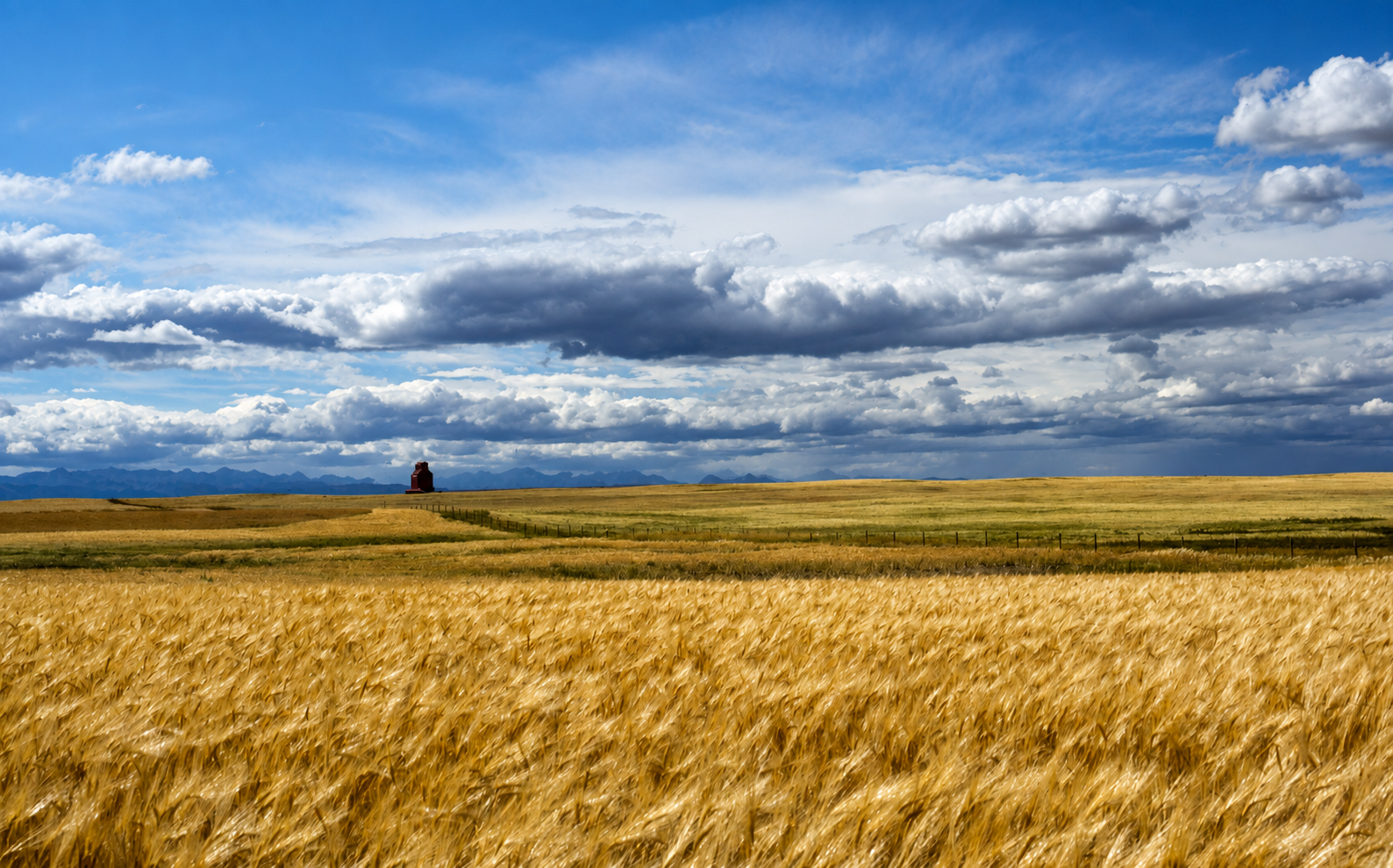
Prairie Passage · 2003 — Francis Poulenc — Animated prairie photography by Joy Innis, combined with paintings by Illingworth Kerr.
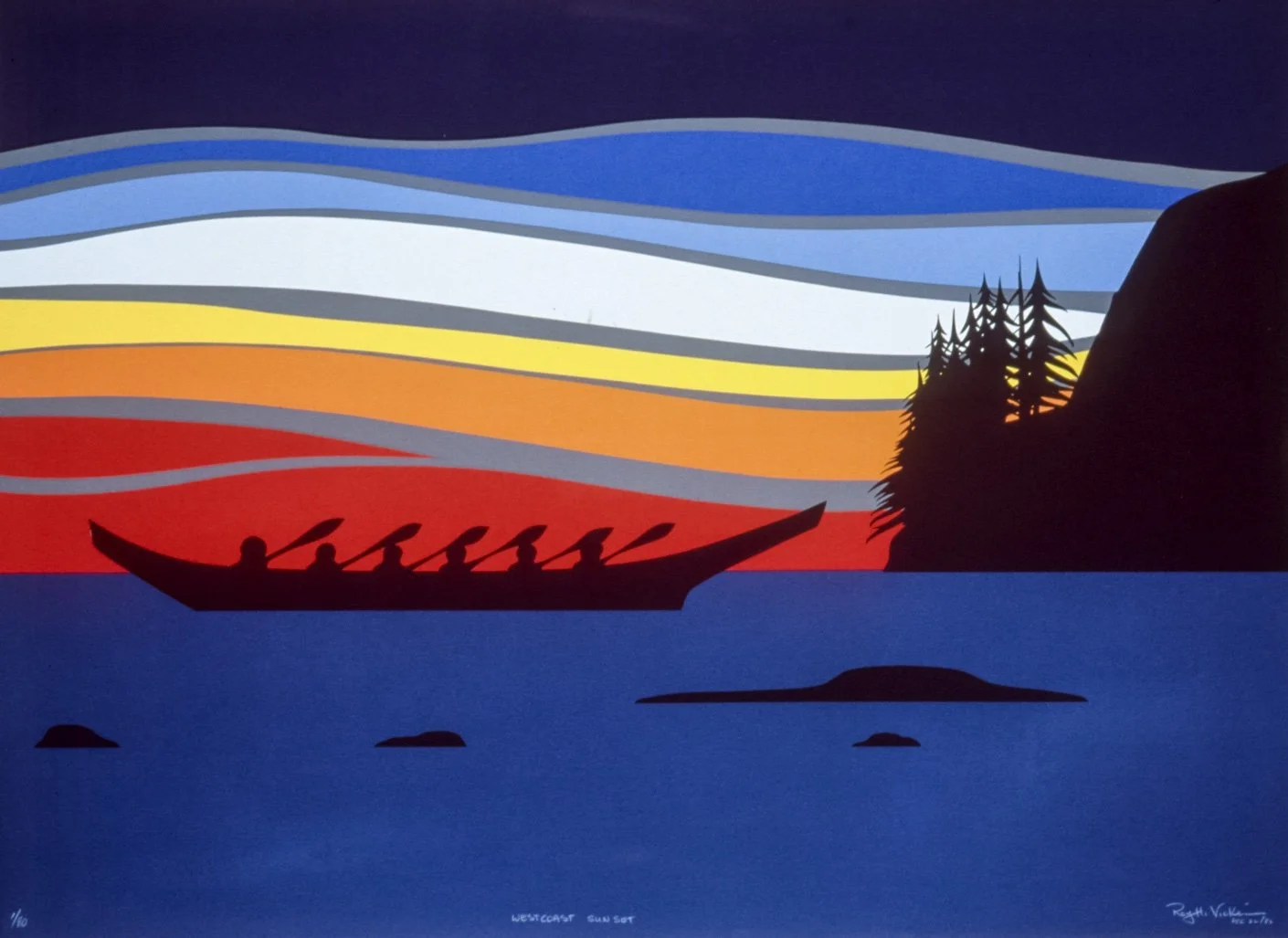
Voices from the Past · 2019 — Gary Kulesha — Created in collaboration with artist Roy Henry Vickers, exploring the landscapes, traditions and cultures of First Nations in western Canada.
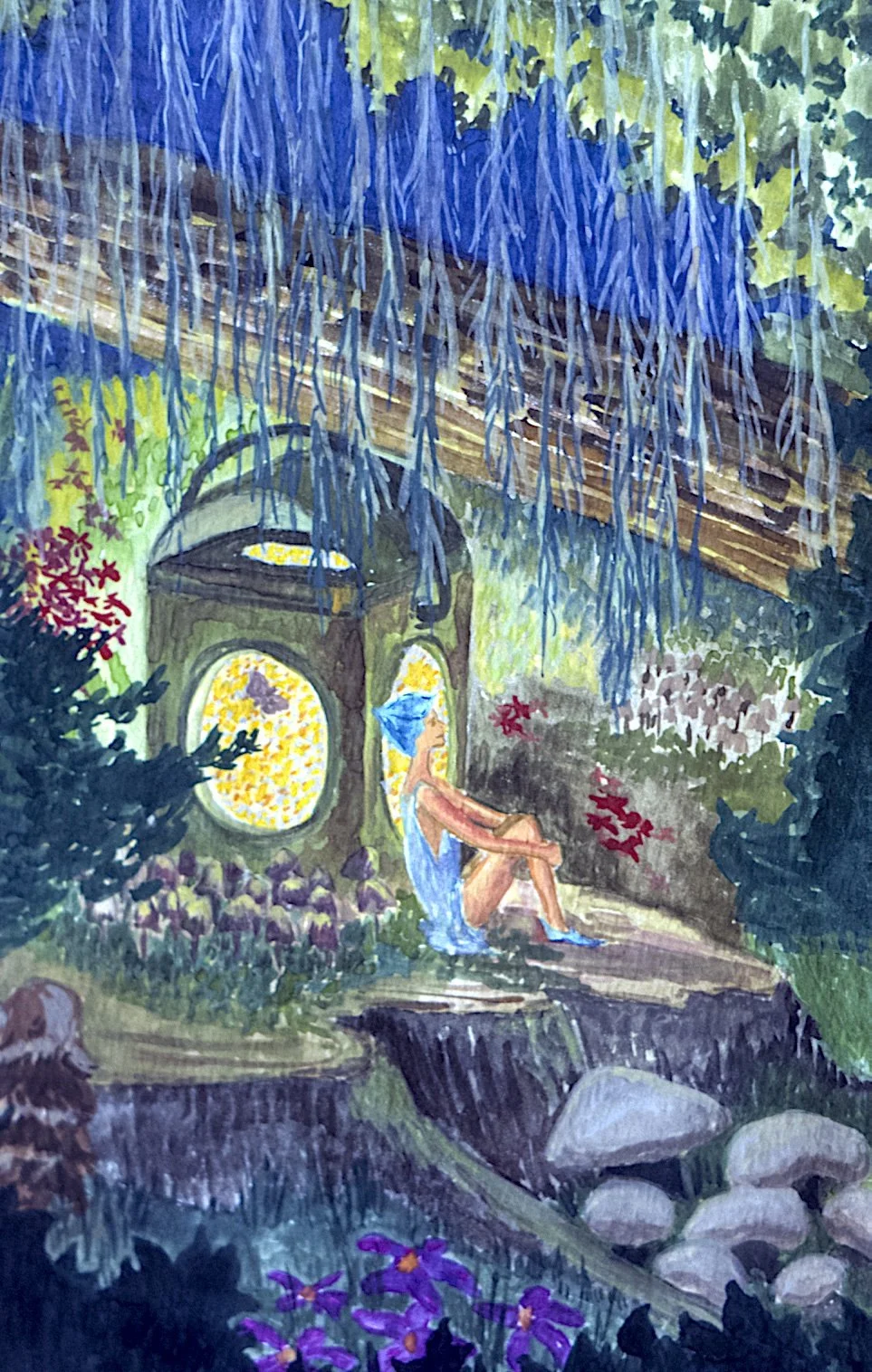
Garden of Dolly · 2019 — Fauré — A collaboration with artist and musician Margaret Mazzoni, whose paintings brought the movements of Fauré’s Dolly Suite to life.